Biometric
information is the information about a specific or individual person's
body. Hair colour and height are simple
examples of biometric information.
However for identification and recognizing purposes hair colour and
height are not very useful information because they change relatively rapidly and
quickly (hair colour is changed by dye, colour, by sunshine or by age; a
person's height varies throughout the day according to the pressure on the
spine). For identification or
recognizing purposes the most well known
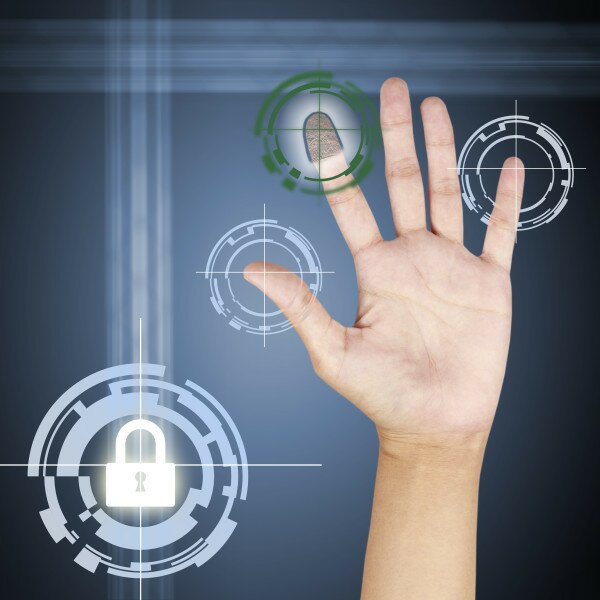
type of biometric information is the fingerprint, these are used because it is
believed that no two people have the same patterns in the skin of their fingers
and the patterns are relatively constant and unchanged ; they might change a
little bit as a person gains or loses weight but the patterns remain
recognisable and unique. Another
commonly used form of biometric information is DNA sequences. DNA is the biological code that is present in
every cell of the human body and that describes each individual person.
Showing posts with label services. Show all posts
What Is Biometric Services?
It is too early to predict how, where and in which form reliable and trustable biometric services will eventually or in the end be delivered. But it is certain that there is no way around biometrics-based identification if we insist on trustable, positive, reliable, and irrefutable or satisfactory identification. As fraud and crimes in our society grows, as the pressure to deliver inexpensive authentication services mounts, and as geographically mobile individuals increasingly need to establish or built their identity as strangers in remote communities, or which are far away from cities the problem of reliable personal identification becomes more and more difficult and is not an easy task. To catapult biometric technology into the mainstream identification market, it is important to encourage and to appreciate its evaluation in realistic contexts, to facilitate its integration into end-to-end solutions, and to foster or develop innovation of inexpensive, reliable and user-friendly implementations. Pervasive, accountable use of biometrics technology will help to establish a more open and fair society.
This paper presents a multi modal biometric identification system based on the features of the human hand. It is described that a new biometric approach to personal identification using eigenfinger and eigenpalm features, with fusion applied at the matching-score level. The identification process can be classified into the following phases: capturing the image; pre processing; extracting and normalizing the palm and strip-like finger sub images; extracting the eigenpalm and eigenfinger features based on the K-L transform; matching and fusion; and, finally, a decision based on the (k, l)-NN classifier and thresholding. The system was tested on a database of about 237 people (1,820 hand images). The experimental results showed the effectiveness of the system in the terms of the recognition rate (100 percent), the equal error rate of (EER = 0.58 percent), and the total error rate of (TER = 0.72 percent)
Subscribe to:
Posts (Atom)


